
Understanding Period Costs is crucial for any business looking to navigate the complex landscape of financial management. By grasping the distinction between Period Costs and Product Costs, businesses can accurately assess their expenses and make informed decisions to improve profitability. From administrative and selling expenses to marketing costs and depreciation, every Period Cost plays a role in shaping a company’s financial health. Period Costs are typically classified as selling, general, and administrative expenses (SG&A) on the income statement.
- This means they are recorded on the income statement as an expense in the accounting period they arise, regardless of when sales occur.
- Since they are expensed in the period incurred, higher period costs will result in lower reported profits.
- In order to help you advance your career, CFI has compiled many resources to assist you along the path.
- Another way to identify period costs is to establish what doesn’t qualify as such.
- Proper tracking and evaluation of these costs can help in determining the effectiveness of marketing strategies.
B. Budget Allocation
They are https://traykenpatagonia.cl/2020/12/16/when-do-you-adjust-the-amount-of-prepaid-expenses/ incurred over a specific period and are essential for the overall operation of a business. According to the Matching Principle, all expenses are matched with the revenue of a particular period. So, if the revenues are recognised for an accounting period, then the expenses are also taken into consideration irrespective of the actual movement of cash. By virtue of this concept, period costs are also recorded and reported as actual expenses for the financial year. Administrative activities are the most pure form of period costs, since they must be incurred on an ongoing basis, irrespective of the sales level of a business.
- When a company takes out a loan or issues bonds to raise capital, it incurs interest payments that reduce its net income.
- In manufacturing, costs are first accumulated as product costs while the goods are being produced.
- By accurately recording and tracking period costs, businesses gain insights into their overall operating expenses, which helps in determining profitability, cost control, and decision-making.
- Time cost forms a significant portion of indirect costs, hence critical for running the business.
- On the contrary, Period Cost is just opposite to product cost, as they are not related to production, they cannot be apportioned to the product, as it is charged to the period in which they arise.
- A defining characteristic of periodic expenses is that they are infrequent, but predictable.
Potential for distorted financial analysis and decision-making
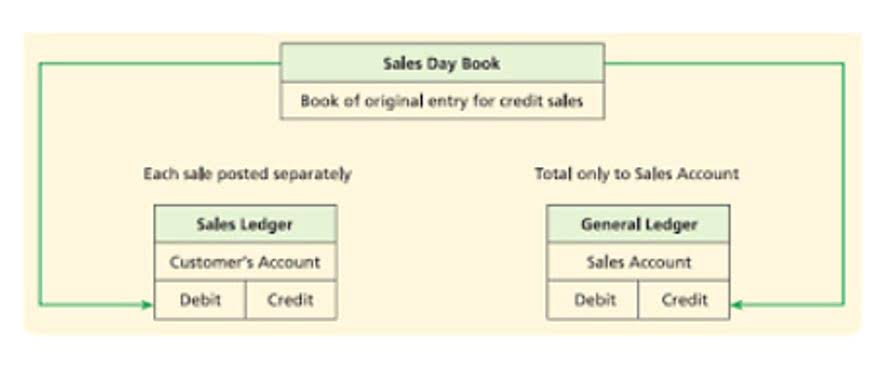
Period costs such as selling, administrative, or any non-manufacturing costs are always treated as expenses in the period they are paid and cannot be linked to the products being made. Period costs are recorded as expenses in the income statement in the period they occur. They are not initially reported as inventory on the balance sheet like product costs. These costs are not directly linked to the product manufacturing sphere, which is why they are not capitalized or involved in inventory calculation but are expensed in the period they incur. Implementing the concept of period costs provides a transparent picture of the costs that are immediately affecting a company’s profitability. Period costs are an essential aspect of accounting, as they play a crucial role in recording and reporting the financial performance of a company.
Accounting for Period Costs

The integration of period costs into budgeting and forecasting is a sophisticated exercise that enhances the precision of financial planning. When preparing a budget, companies must estimate not only the variable costs that fluctuate with production levels but also the fixed period costs that remain constant regardless of output. This comprehensive budgeting ensures that all aspects of the company’s financial obligations are anticipated and accounted for, allowing for a more robust financial plan. Managing mixed period costs requires a nuanced approach, balancing the fixed and variable components to ensure cost-effectiveness and efficiency. Analyzing historical data and trends can help businesses anticipate fluctuations in mixed costs and make informed decisions to control expenses.

Budgeting and Forecasting Techniques
Period costs are expenses that are not directly tied to a product or service, such as rent, utilities, advertising retained earnings balance sheet costs, and general administrative expenses. This way, it helps manage and control the overhead costs and facilitate more informed fiscal decisions. Period costs are important for cost accounting as they help in evaluating business efficiency, enabling comparisons between different time periods or different business units. Unlike product costs which are tied to inventory, Period Costs are immediately recognized as expenses in the period they are incurred.
Importance of Period Cost Analysis
Usually, these costs come from various sources and accumulate into a single unit. Period costs are found on the income statement as expenses in the period they are incurred. Examples include sales commissions, advertising expenses, office supplies, CEO salary, and research and development costs. These expenses are essential for running a business, but are not directly involved in the creation of a product.
- In the intricate world of accounting and management, period costs stand as a critical concept that influences financial reporting and strategic decision-making.
- The full amount of a period cost, such as office rent or marketing expenses, impacts the profit calculation for the period it covers, providing a clear snapshot of the business’s financial performance.
- These costs are typically expensed in the period they occur rather than being tied to inventory.
- Period costs include various expenses related to business operations that are not directly tied to production.
- Now these costs are not recorded as inventory, hence they are not considered as part of the product cost.
- By monitoring these costs and exploring cost-saving measures, businesses can optimize their spending and improve their overall financial performance.
These costs can’t be carried over to future periods and so they have to be entirely expensed in the period they occur. This type of cost can significantly influence a company’s net income, since period costs definition the immediate recognition of these expenses reduces the income of that period. That’s why it’s a critical part for companies to manage these costs to improve their profitability.
Charging product cost of goods sold to the period
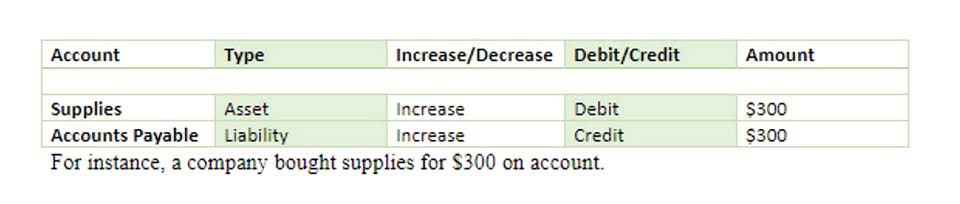
Essentially, if a cost is consumed or put in a specific accounting period, it is a period cost. Since they are expensed in the period incurred, higher period costs will result in lower reported profits. Understanding and managing period costs is crucial for businesses to improve profitability.
Comentários